Environmental Sector Cases: Carbon Markets and Greenwashing New Tech Risks
The application of AI in the environmental sector is currently

As the prevailing model of economic development, driven by intensive resource extraction, consumption, and waste, grows increasingly unsustainable, the need to transition to a circular economy has become a defining priority. In this shift, artificial intelligence (AI) is emerging as a pivotal enabler, empowering businesses to design more sustainable products, adopt regenerative business models, and build the infrastructure required to scale circularity.
In today’s business landscape, companies are increasingly embracing artificial intelligence (AI) as a strategic driver of sustainable product innovation. This technology offers a dynamic range of solutions, from designing low-impact products to optimizing supply chains, that align environmental and social responsibility with economic viability.
By leveraging AI, businesses can reduce waste, anticipate demand more accurately, and create smarter, more resilient systems.
“The most sustainable way is to not make things. The second most sustainable way is to make something very useful, to solve a problem that hasn't been solved”
Thomas Sigsgaard
The intersection between artificial intelligence (AI) and business sustainability strategy is rapidly evolving into one of the most transformative areas of modern enterprise. It’s not just about using AI to optimize operations, it’s about reimagining how businesses can thrive while actively contributing to environmental and social goals.
Gen AI and Agentic AI are driving more sustainable business practices and product development by optimizing resource use, enhancing supply chain transparency, enabling circular economy initiatives, and accelerating sustainable innovation across industries.
Through AI, companies can design smarter products, extend asset longevity, and create closed-loop supply chains.
Staying ahead of the curve while tackling Climate Crisis is more critical than ever. The AI new technologies are a transformative force reshaping industries, redefining job roles, and revolutionising how businesses operate towards a more sustainable future. Leaders are facing the challenges of integrating these advanced technologies to drive growth, innovation, sustainability and value.
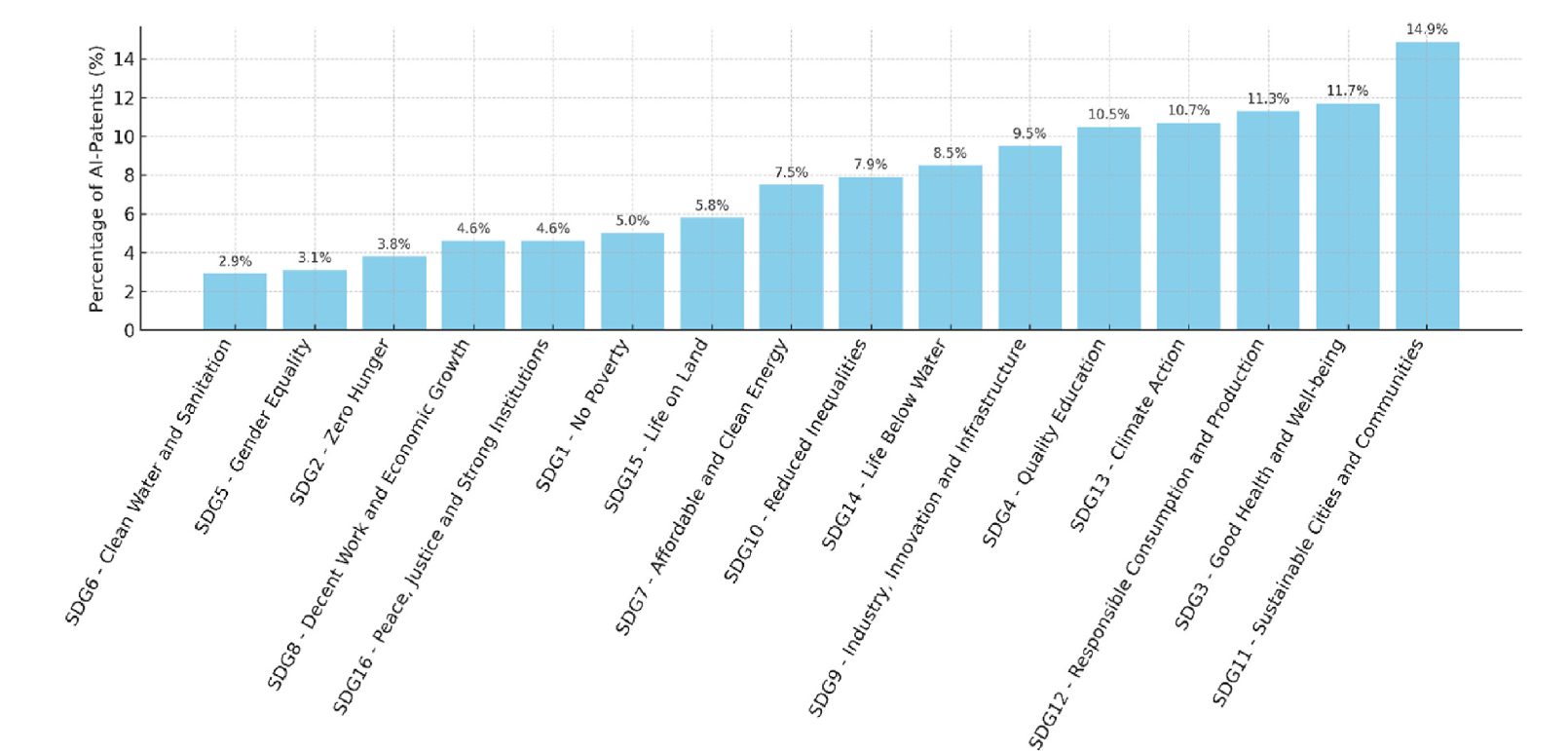
With Generative AI, businesses can rapidly create and test sustainable product ideas in virtual environments identifying designs and materials that minimize environmental impact before anything is built. This not only speeds up eco-friendly innovation but also directs investment towards the most promising, sustainable solutions, directly aligning R&D with global climate and sustainability goals such as the UN SDGs.
Generative AI analyzes huge volumes of supply chain data, tracing materials, monitoring suppliers, and ensuring environmental and social standards are met at every stage. With Agentic AI, companies can automate these monitoring processes, making compliance and transparency seamless, and drastically reducing waste and inefficiencies along the way.
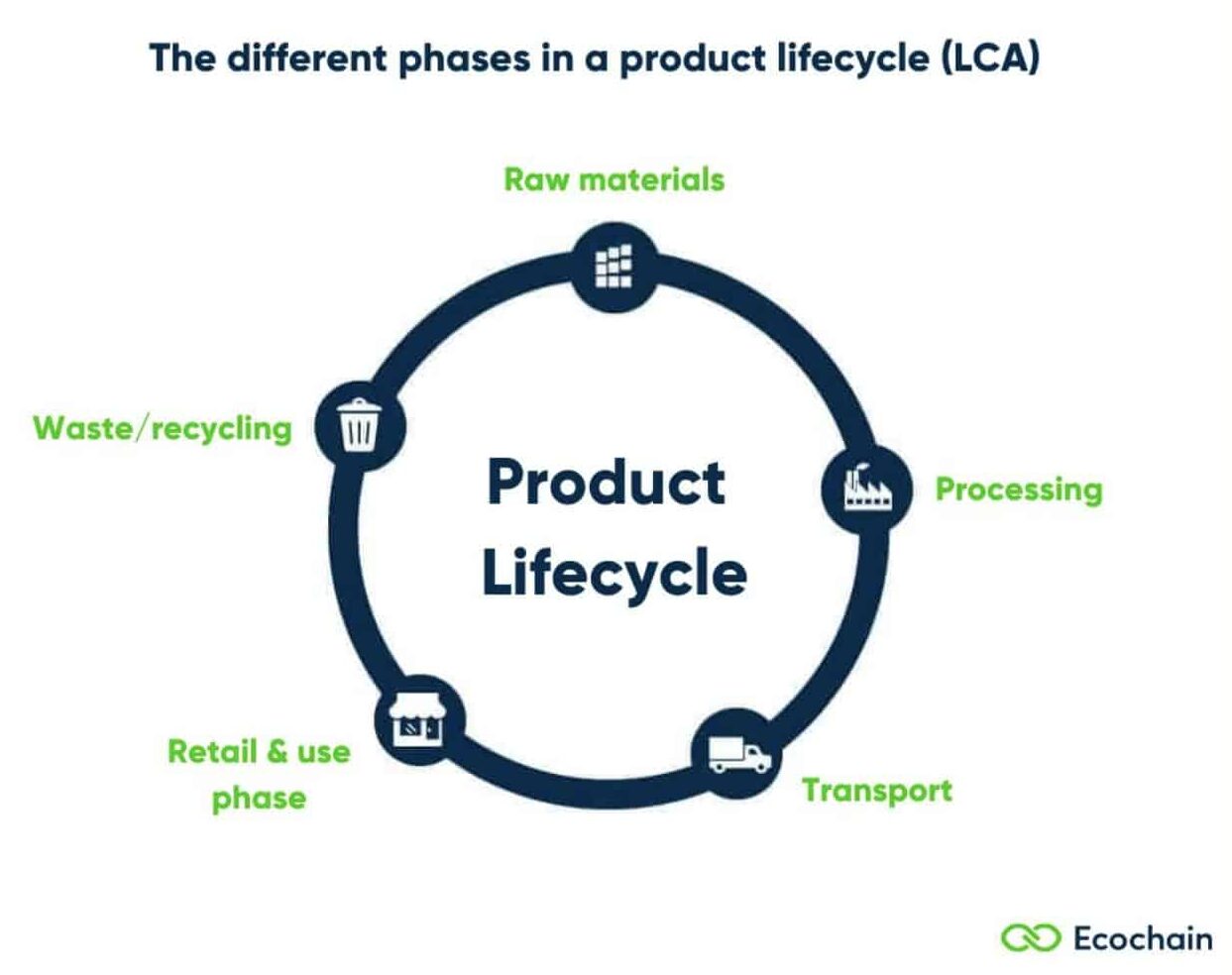
AI doesn’t just optimize what goes into products; it also rethinks what happens after. Generative AI helps design for durability, recycling, and reuse, enabling closed-loop systems that keep products and materials circulating. Agentic AI automates take-back and refurbishment processes, supporting zero-waste goals by making it easier to recover, reuse, or recycle resources throughout a product’s lifecycle.
The application of AI in the environmental sector is currently
The financial industry represents the most mature market for AI
Public‑sector and highly regulated organizations should adopt a TRiSM‑rich technology
The AI TRiSM (AI Trust, Risk and Security Management) technology market is
AI TRiSM is moving from experimentation to becoming part of
The finance sector faces substantial challenges in adopting AI Trust,