
The finance sector faces substantial challenges in adopting AI Trust, Risk, and Security Management (AI TRiSM), largely because it operates in a highly regulated and data‑sensitive environment.
Financial institutions must safeguard vast amounts of confidential customer information while complying with strict privacy laws, all amid escalating cyber threats.
AI models used in credit scoring, lending, and fraud detection can unintentionally perpetuate bias, and they remain vulnerable to adversarial attacks that distort predictions or enable fraudulent activity. Regulatory frameworks also demand transparency and explainability, yet many financial algorithms, particularly complex machine‑learning models, are difficult to interpret. Legacy systems further complicate integration, increasing both technical complexity and cost. These challenges are compounded by a shortage of professionals skilled in AI, cybersecurity, and compliance, as well as the need to maintain public trust, since any AI failure can result in reputational damage. Addressing these issues requires strong security practices, interdisciplinary expertise, and rigorous adherence to ethical and regulatory standards (Habbal, 2025).
Challenges in the Industry
The environmental finance sector faces all these obstacles, but also additional challenges tied to the complexity and sensitivity of environmental systems.
- Environmental data is often incomplete, inconsistent, or difficult to collect, and the dynamic nature of ecosystems makes accurate modeling particularly challenging.
- The sector lacks standardized metrics for evaluating AI risks and trustworthiness, and ethical considerations, such as respecting Indigenous rights, ensuring equitable participation, and minimizing ecological harm, add further constraints.
- Environmental AI systems must also navigate diverse and frequently changing regulations across local, national, and international levels.
- Outdated monitoring infrastructure, limited availability of skilled personnel, high implementation costs, and the rapidly evolving threat landscape driven by climate change and natural disasters further slow adoption.
- Finally, for a sector that relies on donations, AI TRiSM is limited primarily by high costs, since deploying bias‑detection tools, adversarial‑defense systems, explainability dashboards, and continuous monitoring requires expensive, specialised expertise. These systems also demand large datasets, frequent retraining, and intensive computational infrastructure, further driving up operational costs.
As a result, deploying secure, transparent, and reliable AI in this sector requires coordinated efforts across science, policy, and technology (Aleksandrova & Milshina, 2024).
Latam Environmental Funds
For Latin American Environmental Funds, the stakes are even higher. These organisations manage international climate finance from entities such as the Green Climate Fund and the Adaptation Fund, whose donors expect transparency, accountability, and ethical data practices (GCF IEU, 2024). In theory, AI TRiSM can provide the structured approach to meeting these expectations while enabling innovation and improving operational efficiency, but the lack of digital infraestructure, technical capacity and regulatory uncertainty within the region, as well as the complexities of indigenous data sovereignty (United Nations, 2025) makes this technologie’s adoption very complex.
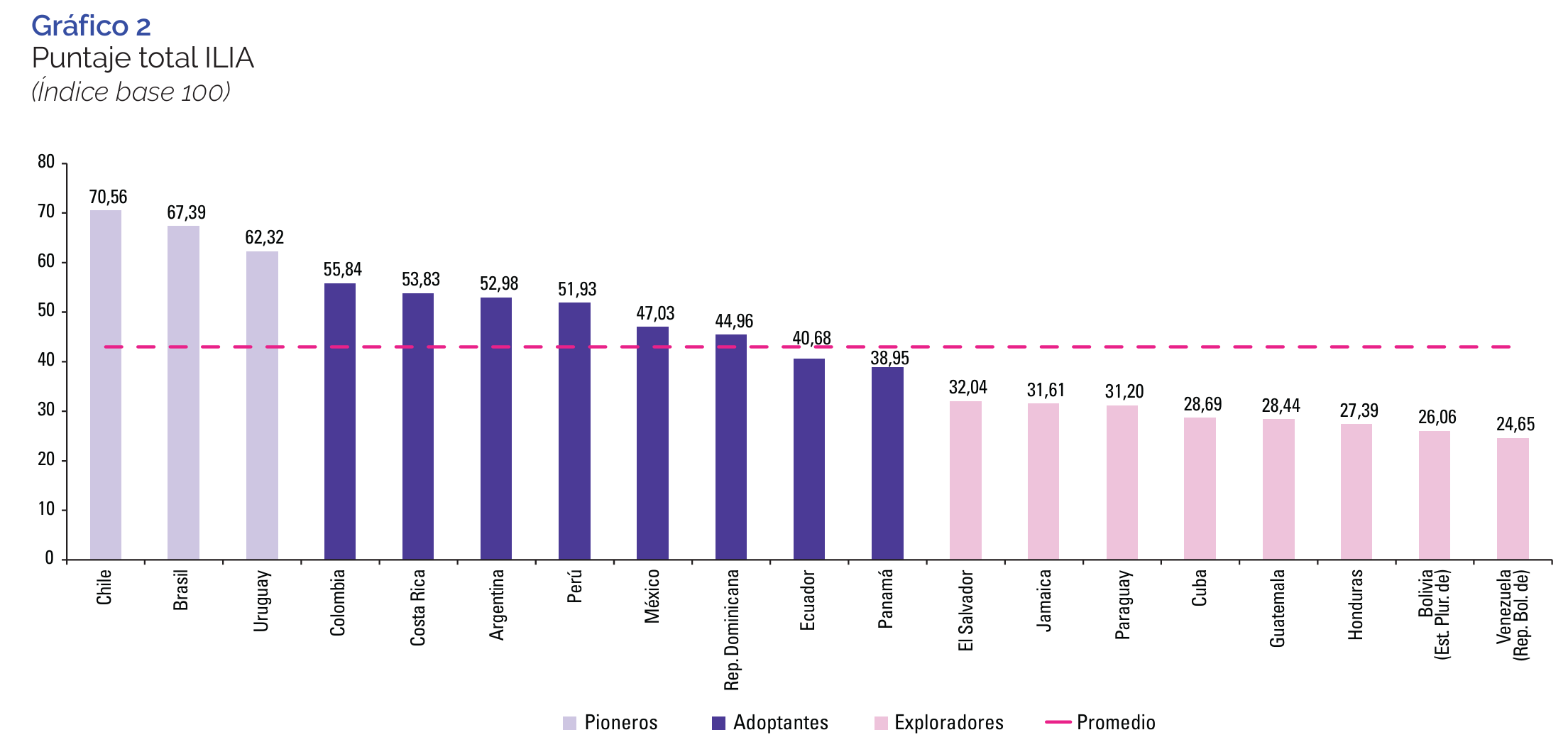
This becomes even more critical for organisations like Profonanpe that aim to collaborate with the private sector, as their TRiSM strategy must also align with the “E” in ESG to avoid AI washing, green washing and social washing. This includes assessing the full environmental footprint of AI systems, from energy and water consumption to the indirect effects of hardware manufacturing, while adopting sustainable infrastructure powered by renewable energy and efficient technologies.
How can organisations like Profonanpe address these Challenges?
Organisations can begin addressing AI TRiSM challenges by prioritising governance over technology, establishing ethical principles, data‑handling rules, and cross‑functional oversight to create a foundation for trustworthy AI (Sullivan, 2025; Habbal et al., 2024). A lightweight TRiSM framework, focused on basic data governance, explainability, and security, can then be introduced, supported by low‑risk use cases such as document classification or ESG text analysis to build internal capability while limiting exposure (KPMG, 2023). Partnerships with universities, regional AI labs, and climate‑finance institutions help address talent gaps and reduce implementation costs (GCF IEU, 2024).
For environmental funds in Latin America, additional considerations include complex environmental data, Indigenous data sovereignty, and uneven digital infrastructure (Aleksandrova & Milshina, 2024; United Nations, 2025). Readiness can be strengthened through open‑source tools, cloud‑based systems, and early adoption of ethical safeguards such as the CARE Principles (Carroll et al., 2020).
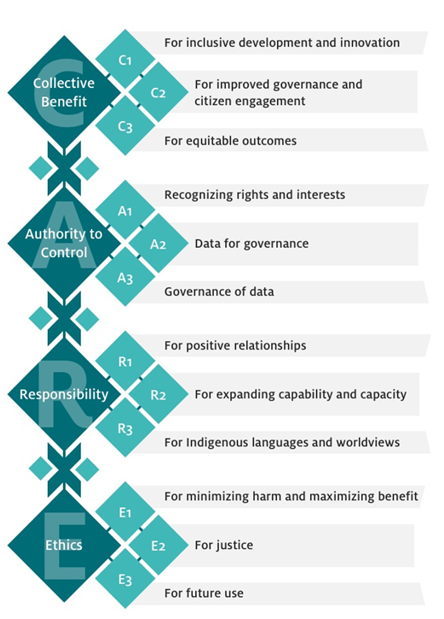
Transparent reporting, community engagement, and alignment with donor expectations, particularly from the Green Climate Fund, are essential for trust and accountability (GCF IEU, 2024).
A phased roadmap from foundational governance to advanced monitoring and adversarial‑resilience practices supports sustainable, mission‑aligned AI TRiSM adoption (Habbal et al., 2024; Sullivan, 2025).