
AI TRiSM is moving from experimentation to becoming part of the core digital infrastructure that shapes how capital flows into climate mitigation and adaptation projects (EY, 2025). As climate risks intensify and AI adoption accelerates, funds and intermediaries that cannot demonstrate trustworthy, well-governed, and secure models will increasingly struggle to attract public and private finance (Habbal et al., 2024).
Evolving TRiSM capabilities
Over the next few years, AI TRiSM is expected to shift from manual, policy-heavy approaches toward more automated, embedded controls within AI platforms themselves (Habbal et al., 2024). This includes real-time model monitoring, detection of data drift and bias, and integrated cybersecurity checks that trigger alerts when systems are attacked or behave unexpectedly (LSE Grantham Research Institute, 2024). For climate finance, this means AI systems used for project scoring, climate risk modeling, or ESG assessments will be continuously audited, not only at design time or during annual reviews (Climate Governance Initiative, 2025).
Explainable AI is also maturing, allowing climate-related models to provide human-understandable reasons for their outputs, such as why a project is rated high risk or why a portfolio’s transition alignment is changing over time (Stanford Sustainable Finance Initiative, 2024). For institutions like Profonanpe or other national implementing entities, this transparency is crucial to defend decisions in front of boards, communities, and international funds (Green Climate Fund, 2015). It also supports learning, as evaluation teams can see which variables most strongly influence climate vulnerability scores or nature-based solution performance and refine project design accordingly (Adaptation Fund, 2025).
TRiSM is becoming tightly linked with ESG and sustainable finance practices as institutions rely on AI to process large volumes of sustainability data for investment and risk decisions (MSCI, 2025). These data include emissions, physical climate risk, supply chain performance, and controversies, all increasingly scrutinized for greenwashing and methodological opacity (Inrate Team, 2025). TRiSM provides a structured way to govern such tools, ensure data lineage, document model assumptions, and align with emerging regulations such as the EU AI Act and evolving climate disclosure regimes (EY, 2025).
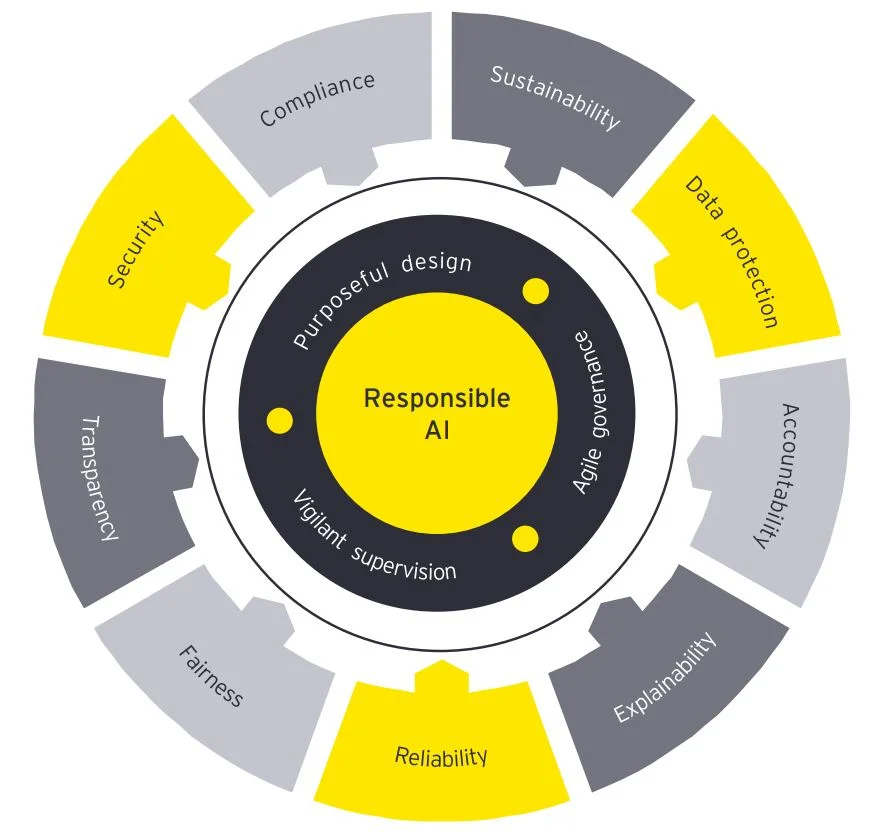
For climate funds and intermediaries, the future likely includes shared TRiSM-aligned platforms where public entities, private investors, and technical partners work off a common, auditable data and model environment (Seldon, 2025). In that scenario, organizations with strong TRiSM practices become preferred partners because investors can trust that climate and social impacts are measured consistently and securely (Inrate, 2025).
Strategic implications and outlook
For entities like Profonanpe, AI TRiSM is not only a technical matter but also a strategic positioning tool that reinforces their role as credible national climate finance intermediaries (Global Center on Adaptation, 2021). Implementing robust TRiSM allows them to show the Green Climate Fund, Adaptation Fund, and bilateral donors that AI used in project design, monitoring, or evaluation is governed by clear policies, monitored for bias, and protected against cyber threats (Habbal et al., 2024).
In the coming years, we can expect to see: stronger donor requirements for AI governance, regional standards for responsible AI in Latin American environmental funds, integration of AI TRiSM into climate-finance reporting systems, growth of AI agents that operate within governance frameworks, greater emphasis on Indigenous data rights, and sustainability-focused AI models with lower environmental impact (MSCI, 2025). Therefore, for Profonanpe and its regional counterparts, adopting AI TRiSM will position them as leaders in responsible innovation, ensuring that AI strengthens climate action, supports communities, and enhances transparency across the environmental finance ecosystem.