
AI is reshaping the finance industry by enhancing decision‑making, operational efficiency, and customer experience through machine learning and big‑data analytics. Key applications include portfolio management, risk management, and algorithmic trading, where AI enables faster processing, higher accuracy, and more data‑driven insights. In portfolio management, deep learning models support real‑time asset allocation and risk evaluation, adapting quickly to market fluctuations. By processing large and diverse datasets, including non‑financial indicators, AI improves understanding of market dynamics and strengthens investment strategies (Wu, 2025).
However, the growing use of AI in finance also introduces challenges. Many models lack interpretability and transparency, and they carry risks related to bias, data security, and inconsistent performance. Deep learning systems require substantial computational power and may struggle to generalize when trained on incomplete or skewed datasets. Because probabilistic models inherently produce uncertain outputs, testing, validating, and overseeing them becomes especially complex in high‑stakes financial contexts (Wu, 2025). To address these risks, financial institutions increasingly rely on AI TRiSM to ensure compliance, strengthen trust, and secure AI‑enabled systems.
AI TRiSM supports the sector by ensuring that AI models remain transparent, secure, and aligned with regulatory and ethical expectations. It enhances fraud detection through real‑time transaction monitoring and anomaly identification, and it improves credit scoring and risk assessment by reducing algorithmic bias and promoting fairness. TRiSM also reinforces regulatory compliance, helping institutions meet GDPR, AML, and KYC requirements. Continuous model monitoring and explainability ensure that AI‑driven decisions, such as loan approvals, are reliable and defensible (Habbal, 2024).
In addition, TRiSM protects against adversarial threats like data poisoning, strengthens customer trust by ensuring fairness and security, and improves operational efficiency by streamlining model lifecycle management. It also enhances risk management by identifying vulnerabilities across market, credit, and operational domains. In investment analysis, TRiSM ensures that models remain unbiased and transparent, and it supports anti‑money‑laundering efforts by enabling AI systems to detect suspicious activity while meeting regulatory standards (Habbal, 2024).
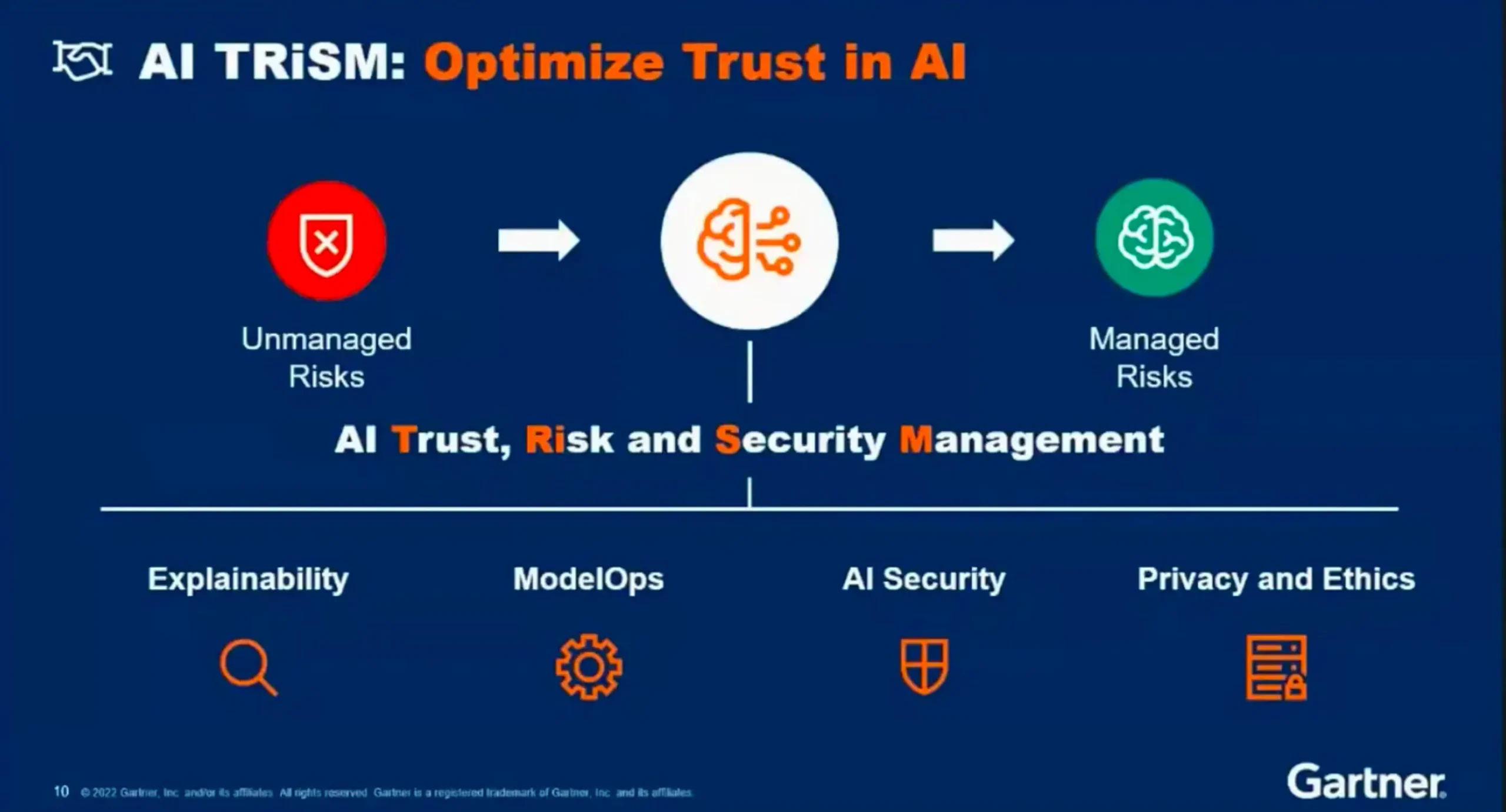
In the Climate Finance Sector, AI adoption is growing but still limited compared to mainstream finance. Current uses include document synthesis, qualitative analysis, evidence extraction, geospatial analytics, climate modelling, and sentiment analysis of stakeholder input. This early‑stage adoption highlights the need for AI TRiSM, as concerns persist around privacy, security, bias, and the reliability of AI‑generated outputs. Implementing AI TRiSM can help the sector improve evaluation efficiency, reduce costs, manage complex datasets, and enhance predictive capabilities for climate impacts. Strong governance through TRiSM can also reduce biases related to language, community data, and methodological design, promoting fairness and transparency in climate project evaluations (Green Climate Fund, 2024). AI TRiSM can also ensure that automated decision systems remain fair and accountable. For example, if AI is used to prioritise funding proposals or assess project risks, governance frameworks ensure that decisions are explainable and free from bias. This is essential for maintaining trust with donors and ensuring equitable distribution of resources.
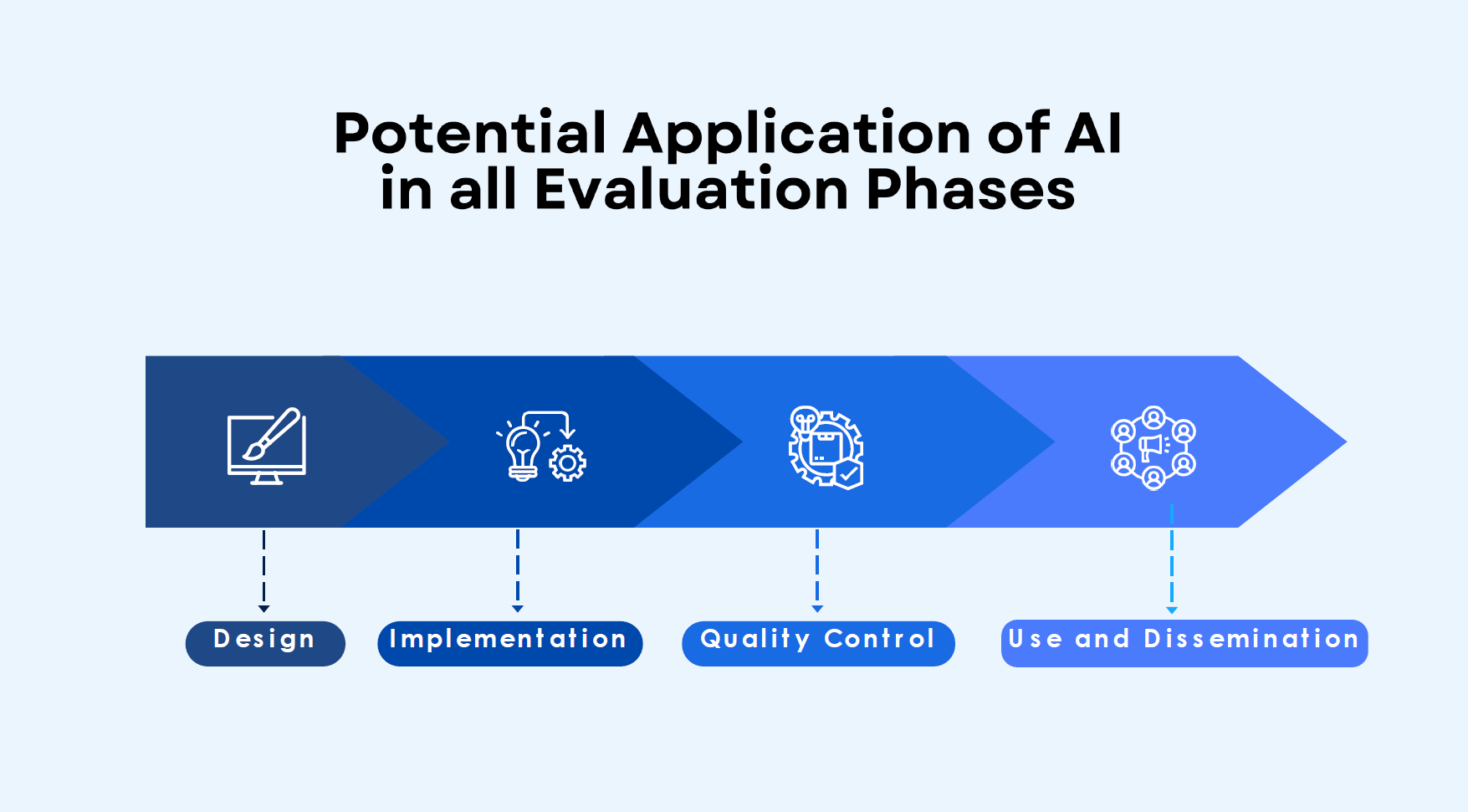
In the broader environmental sector, AI is already used to analyse satellite imagery, detect deforestation, predict climate risks, monitor environmental quality, and automate reporting. Yet these systems often rely on sensitive ecological and community data. Without proper governance, AI may unintentionally reinforce biases, misinterpret environmental patterns, or expose vulnerable communities to privacy risks (Olawade et al., 2024). Biased datasets can distort predictions and perpetuate inequalities, underscoring the importance of data curation and preprocessing, core components of AI TRiSM.
Environmental organisations are beginning to adopt TRiSM to ensure that AI models are validated, monitored, and audited. TRiSM also supports transparency in data collection and use, which is especially important for Indigenous communities whose territories and knowledge are frequently included in conservation datasets (Habbal et al., 2024).
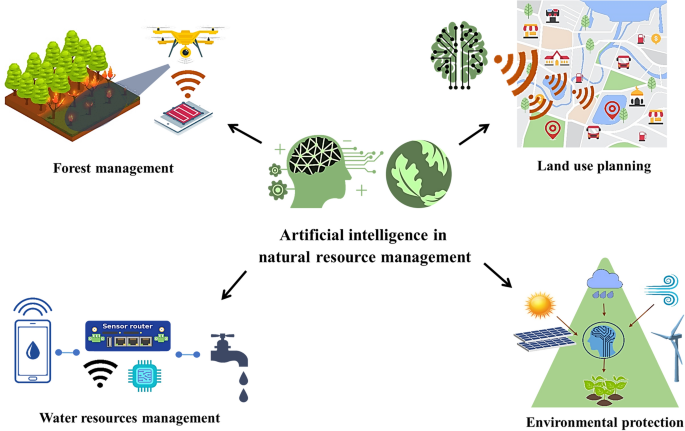
Environmental, Social, and Governance (ESG) factors play a central role in climate finance, guiding investment decisions through a focus on environmental sustainability, social responsibility, and ethical governance. While ESG discussions traditionally focus on climate impact, carbon emissions, and social responsibility, AI now plays a central role because ESG ratings, portfolio analyses, and sustainability indices rely heavily on AI models that process large volumes of unstructured data. AI improves the efficiency, accuracy, and transparency of ESG reporting by addressing issues like manual data collection and fragmented information. However, AI‑generated ESG outputs can also inflate sustainability claims, misleading investors and artificially boosting ESG scores (Vali et al., 2024). By ensuring transparency, accuracy, and accountability in AI‑driven data collection and analysis, AI TRiSM can strengthen the credibility of ESG reporting and help prevent greenwashing and social washing (Inrate Team, 2025)
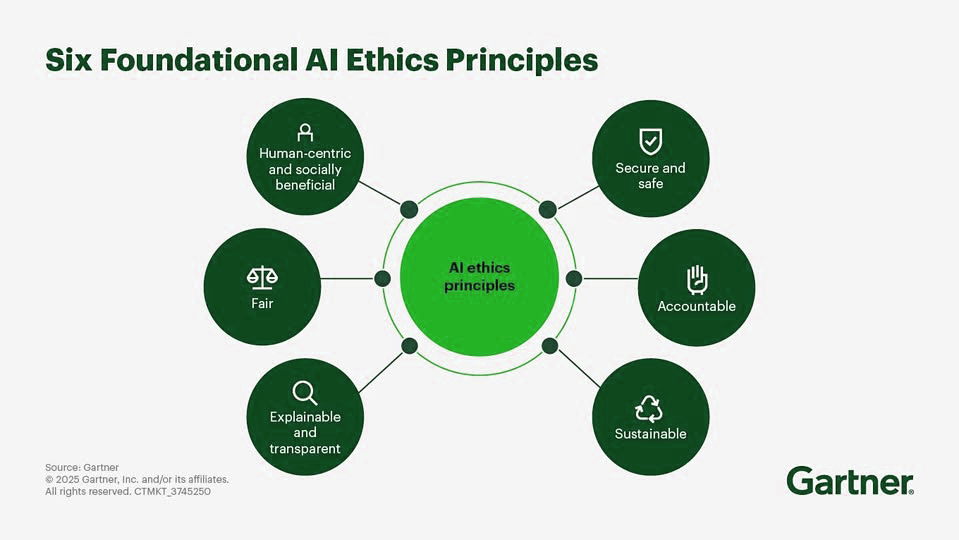
Some organisations are taking an extra step by using third‑party audits to evaluate high‑risk AI systems against new standards like ISO/IEC 42001 and the IEEE 7000 series. These assurance frameworks give boards the evidence they need to judge AI’s reliability, turning it from a governance risk into an asset they can confidently oversee (Freeman, 2024).

Goldman Sachs: Reimagining Risk Management with AI Powered Compliance Intelligence
Goldman Sachs bank has implemented AI TRiSM practices to ensure clear explanations and justifications, automate and advance their financial decision making.

The Danish Business Authority’s Approach to the Ongoing Evaluation of AI Systems.
The Danish Business Authority (DBA) uses a structured, lifecycle‑based setup to keep its AI systems accurate, fair, and accountable over time, not just at deployment. The approach combines process rules, human oversight, and an MLOps platform so AI systems are continuously evaluated as conditions change.

Mastercard accelerates card fraud detection with generative AI technology
Mastercard has embedded AI TRiSM into its fraud‑detection platform to ensure that rapid, real‑time decisions remain transparent and accountable. Its AI‑driven system reviews millions of transactions each day and identifies behaviour that appears suspicious.