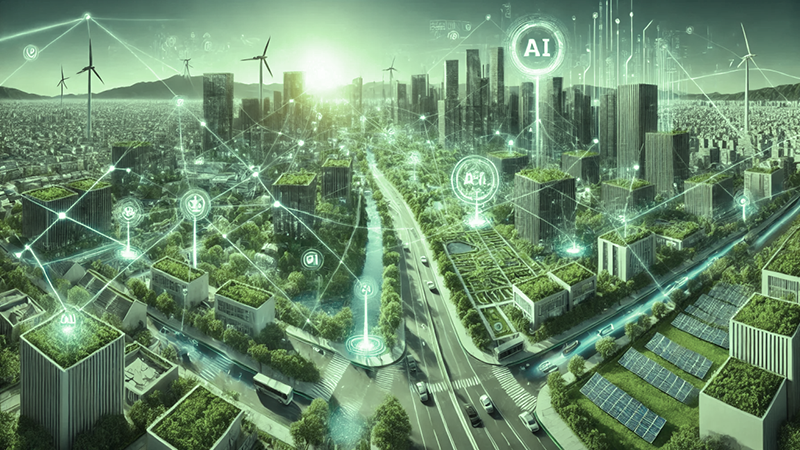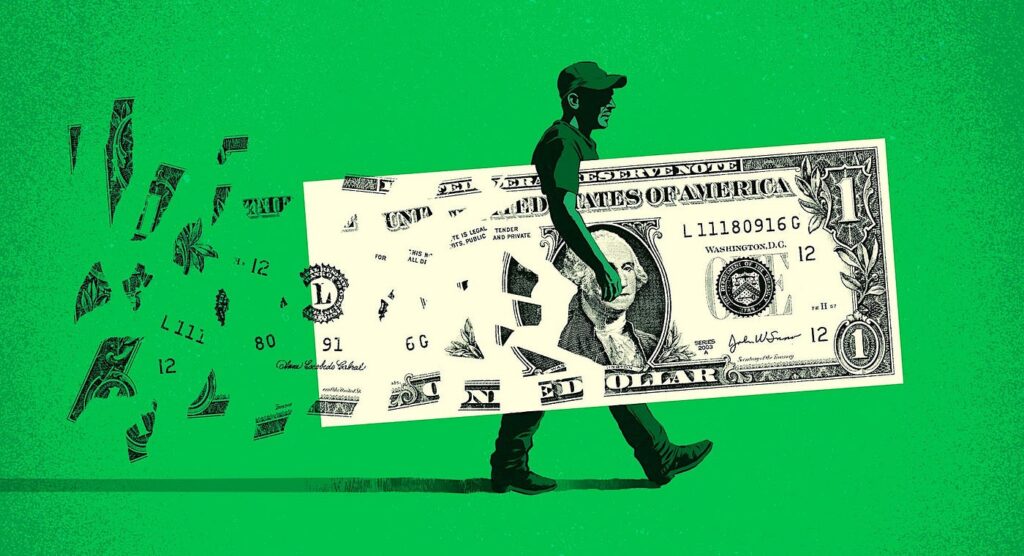
The application of AI in the environmental sector is currently concentrated in two areas: the Monitoring, Reporting, and Verification (MRV) of carbon credits, and the automation of ESG (Environmental, Social, and Governance) reporting. However, the lack of standardized governance has led to a “crisis of trust” in voluntary carbon markets, where AI is frequently accused of enabling “algorithmic greenwashing”.

The Kariba Project and the Baseline Inflation Scandal
The voluntary carbon market has been shaken by scandals involving the overestimation of carbon offsets, most notably in the Kariba REDD+ project in Zimbabwe. The project, a joint effort between the carbon broker South Pole and Carbon Green Investments, was designed to reduce deforestation. However, an independent investigation revealed that the AI and statistical models used to set the “baseline” (the estimated rate of deforestation without the project) were grossly inflated.
By exaggerating the forest risk, the project was able to issue significantly more credits than it actually produced in terms of CO2 conservation. Verra, the world’s leading carbon credit registry, concluded after a two-year review that 57% of the 27 million credits issued, approximately 15.2 million credits, were “in excess” and essentially worthless. The financial fallout has been immense: major corporate buyers, including Gucci, Volkswagen, and Nestlé, are now facing potential restatements of their sustainability reports and litigation for making false climate claims. This demonstrates a catastrophic failure of the “Auditability” and “Transparency” components of the environmental AI ecosystem.
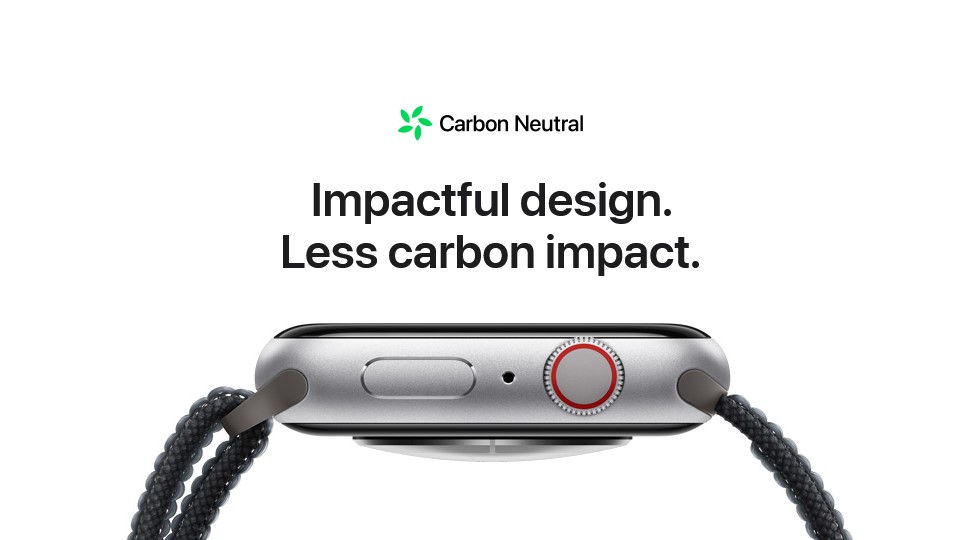
Litigation Risks: The "Duty to Verify" and the Apple Watch Case
In early 2025, Apple became the target of a class-action lawsuit (Dib v. Apple) specifically challenging its “carbon neutral” marketing for several Apple Watch models. The plaintiffs argued that the carbon offset projects Apple relied on, forest conservation initiatives in Kenya and China, did not provide “additional” carbon reductions beyond what would have occurred naturally.
The lawsuit argues that Apple had a legal “duty to independently verify” the quality of these offsets rather than “blindly trusting” third-party certifications. This represents a shift in the legal landscape: companies can no longer hide behind a certifier’s logo if they possess the resources to conduct their own due diligence. AI TRiSM provides the necessary framework for this verification, using satellite imagery and geospatial analysis to perform the rigorous checks that traditional manual audits miss.

The Failure of Marine Geoengineering: The Running Tide Collapse
The case of Running Tide, a marine geoengineering startup that promised to sequester carbon by sinking seaweed to the ocean floor, serves as a warning against the “black box” problem in emerging climate technologies. The company gathered millions of dollars from blue-chip investors like Microsoft, yet scientists eventually accused the startup of “poor science fiction” and fraud.
Former employees reported that data was manipulated to ensure the seaweed appeared to be growing at rates necessary to secure more investment, while the credits sold were uncertified by any independent entity. When the startup eventually collapsed, it left behind thousands of uncertified credits and millions in lost capital. This failure highlights the necessity of “Model Integrity” in the environmental sector, without transparent and verifiable data, climate finance becomes a theater for performative sustainability rather than a mechanism for real impact.
Aveni. (2025). AI audit failures in financial services: Lessons from the front line. https://aveni.ai/blog/ai-audit-failures-in-financial-services/
BSR. (2025). Harnessing AI in sustainability: Emerging use cases and guardrails. https://www.bsr.org/en/reports/harnessing-ai-in-sustainability-emerging-use-cases
Ciberspring. (2025). What happens when AI gets it wrong: Real-world misclassification consequences in finance and crypto. https://ciberspring.com/articles/what-happens-when-ai-gets-it-wrong-real-world-misclassification-consequences/
Cognaize. (2025). Case study: ESG and sustainability report automation for a global data provider. https://www.cognaize.com/case-studies/esg-and-sustainability-report-automation
Darrow.ai. (2025). The shifting legal landscape: Greenwashing cases and the duty to verify carbon credits. https://www.darrow.ai/resources/greenwashing-cases
Deloitte Global. (2025). AI for infrastructure resilience: Preventing $70 billion in annual disaster-related losses. https://www.deloitte.com/global/en/about/press-room/ai-for-infrastructure-resilience.html
Deloitte. (2025). AI ROI: The paradox of rising investment and elusive returns. https://www.deloitte.com/global/en/issues/generative-ai/ai-roi-the-paradox-of-rising-investment-and-elusive-returns.html
EY. (2025). The business case for responsible AI: Reputation, regulation, and realization. https://www.ey.com/en_us/insights/ai/the-business-case-for-responsible-ai
Gartner. (2025). Gartner survey finds risk leaders concerned about low-growth economic environment and AI risks in 3Q25. https://www.gartner.com/en/newsroom/press-releases/2025-11-06-gartner-survey-finds-risk-leaders-concered-about-low-growth-econ-environment-and-ai-risks-in-q3
Gen Re. (2025). Generative AI and its implications for weather and climate risk management. https://www.genre.com/us/knowledge/publications/2025/september/gen-ai-and-its-implications-for-weather-and-climate-risk-management-en
Help Net Security. (2025). Securing smart grids: Threat vectors and adversarial risks in critical infrastructure. https://www.helpnetsecurity.com/2025/12/04/sonia-kumar-analog-devices-securing-smart-grids/
IBM. (2025). Cost of a data breach report 2024: Financial industry insights. https://www.ibm.com/think/insights/cost-of-a-data-breach-2024-financial-industry
IBM. (2025). Understanding model drift: Concept, data, and upstream changes. https://www.ibm.com/think/topics/model-drift
ISDO. (2025). Sustainable finance and AI: ESG risk assessment with machine learning. https://isdo.ch/sustainable-finance-and-ai-esg-risk-assessment-with-machine-learning/
ITCP Academy. (2025). Industry report: Generative AI in risk and compliance 2025. https://www.itcpeacademy.org/genai-ereport
Knostic. (2025). AI governance statistics and the maturity of enterprise risk programs. https://www.knostic.ai/blog/ai-governance-statistics
LeewayHertz. (2025). AI TRiSM: Foundational pillars and implementation strategies. https://www.leewayhertz.com/ai-trism/
MDPI. (2024). Security of smart grid: Cybersecurity issues, potential cyberattacks, and future directions. https://www.mdpi.com/1996-1073/18/1/141
MDPI. (2025). Artificial intelligence in banking to implement and communicate ESG strategies. https://www.mdpi.com/2071-1050/18/2/732
Palo Alto Networks. (2025). The state of generative AI 2025: Security and TRiSM integration. https://www.paloaltonetworks.com/cyberpedia/ai-trism
PracticalESG. (2025). Verra cancels Kariba credits and improves project reviews following South Pole controversy. https://practicalesg.com/2025/10/verra-cancels-kariba-credits-improves-project-reviews/
Proofpoint. (2025). AI TRiSM: Protecting training data and model parameters. https://www.proofpoint.com/us/threat-reference/ai-trism
Prism. (2025). The role of AI in scaling global carbon markets: Risks of algorithmic greenwashing. https://prism.sustainability-directory.com/scenario/the-role-of-ai-in-scaling-global-carbon-markets/
Relyance AI. (2025). The credit card bias scandal and the cost of poor AI governance. https://www.relyance.ai/blog/ai-governance-examples
Royal Society Publishing. (2024). Physics-informed machine learning case studies for weather and climate. https://royalsocietypublishing.org/rsta/article/379/2194/20200093/41210/Physics-informed-machine-learning-case-studies-for
SimpleSolve. (2025). Insurers are using AI to tackle extreme weather risks in America. https://www.simplesolve.com/blog/insurers-are-using-ai-to-tackle-extreme-weather-risks-in-america
Splunk. (2025). AI trust, risk, and security management: Real-world risk scenarios. https://www.splunk.com/en_us/blog/learn/ai-trism-ai-trust-risk-security-management.html
SQ Centre. (2025). Transformative case studies for financial institutions: ROI in fraud detection and automation. https://www.sqcentre.com/blog/generative-ai-use-cases-in-finance-transformative-case-studies-for-financial-institutions/
University of Oxford. (2025). Systematic review of the literature on carbon offsets: A 25-year evidence assessment. https://voteearthnow.com/collapse-of-the-carbon-offset-lie-largest-ever-study-proves-carbon-offsets-dont-cut-emissions/
Workday. (2025). Top 10 AI use cases for finance operations and strategic value. https://blog.workday.com/en-ca/top-10-ai-use-cases-finance-operations.html
Zendata. (2025). Implementing effective AI TRiSM with advanced data observability. https://www.zendata.dev/post/implementing-effective-ai-trism-with-zendata